What was your journey like from studying at Kul IN to running your own restaurant?
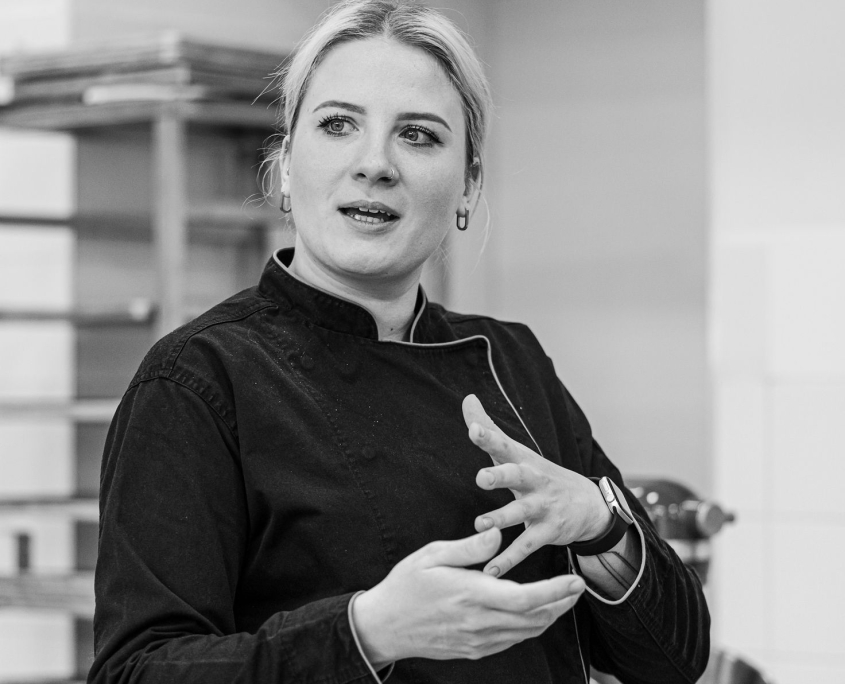
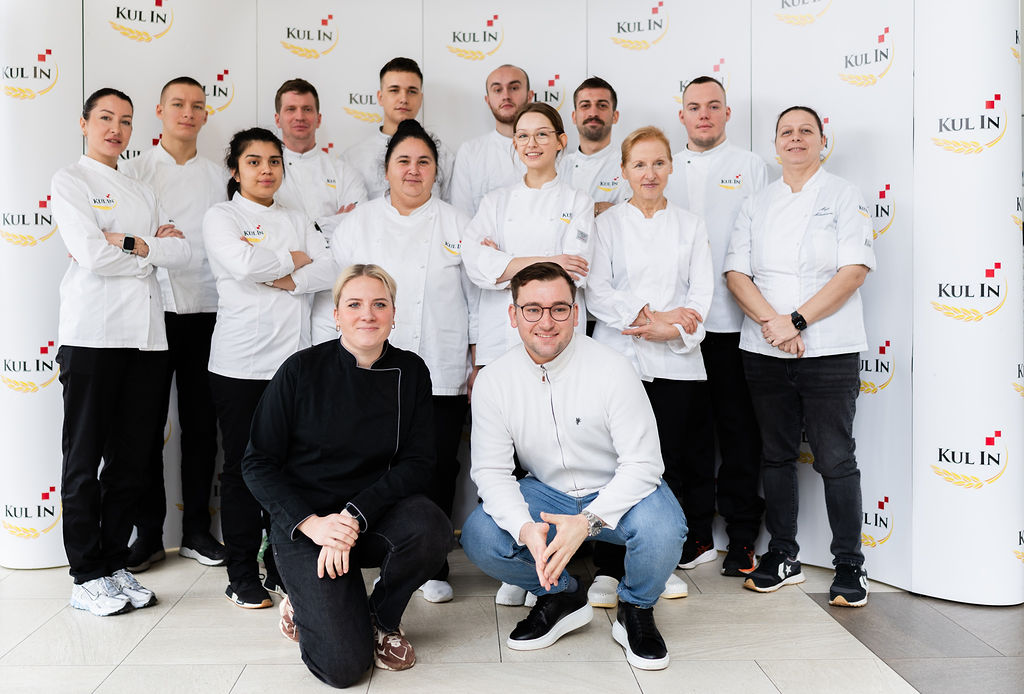
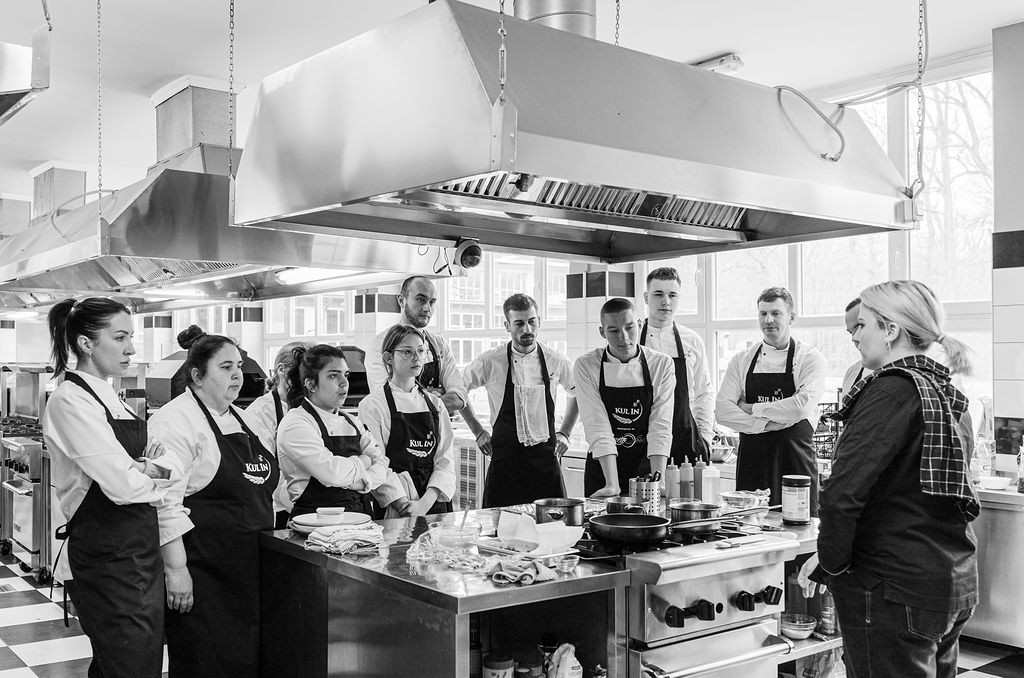
I first enrolled in the Pastry program because making desserts has been my great passion since I was a child. While I was still in the Pastry program, an opportunity arose for me to take over our restaurant’s kitchen. I knew I was lacking fundamental culinary knowledge, so I enrolled in Kul IN to quickly build the necessary foundation. After my training, I immediately found myself in a very demanding situation – a new location, a new team, and a new role as kitchen manager. It was a great learning experience that taught me organization, responsibility, and how to handle pressure.
Today I’m still learning, but I’m much more confident in myself and my decisions.
What was the biggest challenge you faced in your career, and how did you manage to solve it?
The biggest challenge was my first season as a kitchen manager. At the same time, I was finishing my studies, attending the Culinary Institute of New York, we were moving the restaurant to a new location, and building the kitchen practically from scratch. On top of that, I was hiring chefs for the first time, creating a menu, and organizing the entire workflow.
There was a lot of uncertainty and responsibility, and I took every criticism very personally. Looking back, I see that it was those very challenges that taught me how to stay focused and how to make decisions under pressure. Today, I prepare for each season much more organized, I have more experience and a developed network of collaborators and colleagues, and that makes the job significantly easier.
Can you tell us about the Starac i More restaurant – how has it evolved over the years?
My father opened the restaurant in 1999. My father opened the restaurant in 1999, and from the very beginning, he built it on high-quality local ingredients and collaboration with local producers. As children, we were always involved in the business, so the restaurant has actually been a part of our lives from the very start.
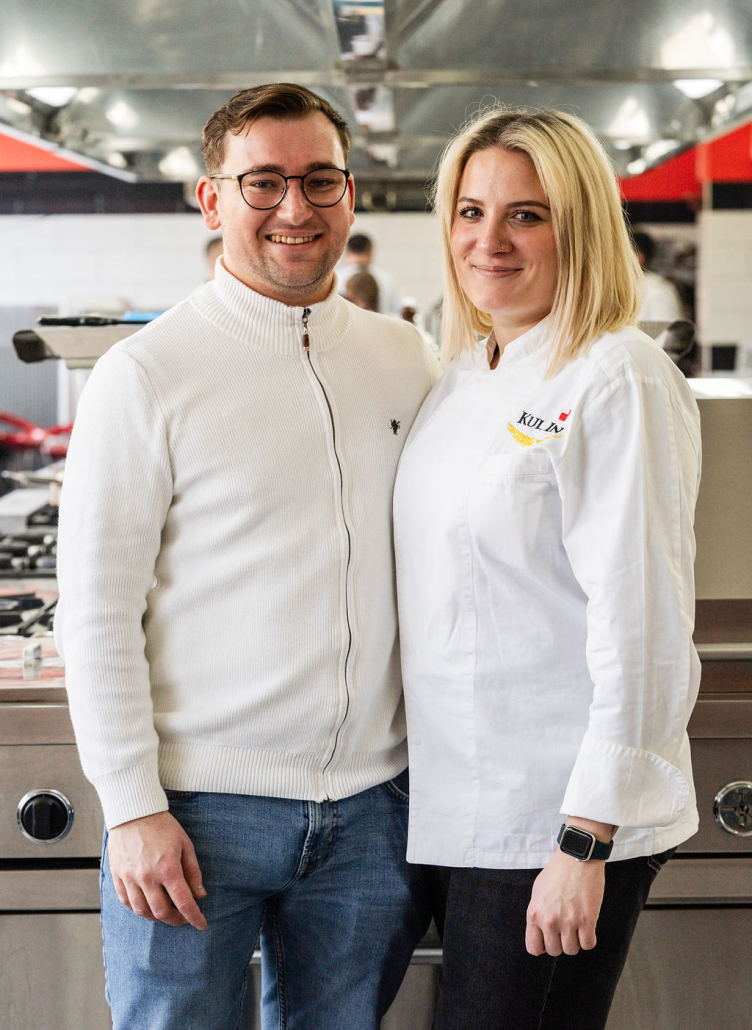
A major milestone came in 2022 when we moved to a new location. That’s when my partner Rok and I got the opportunity to adapt the space and concept to our own vision. We kept the foundation my parents laid, but built upon it with new ideas, education, and a different approach to gastronomy.
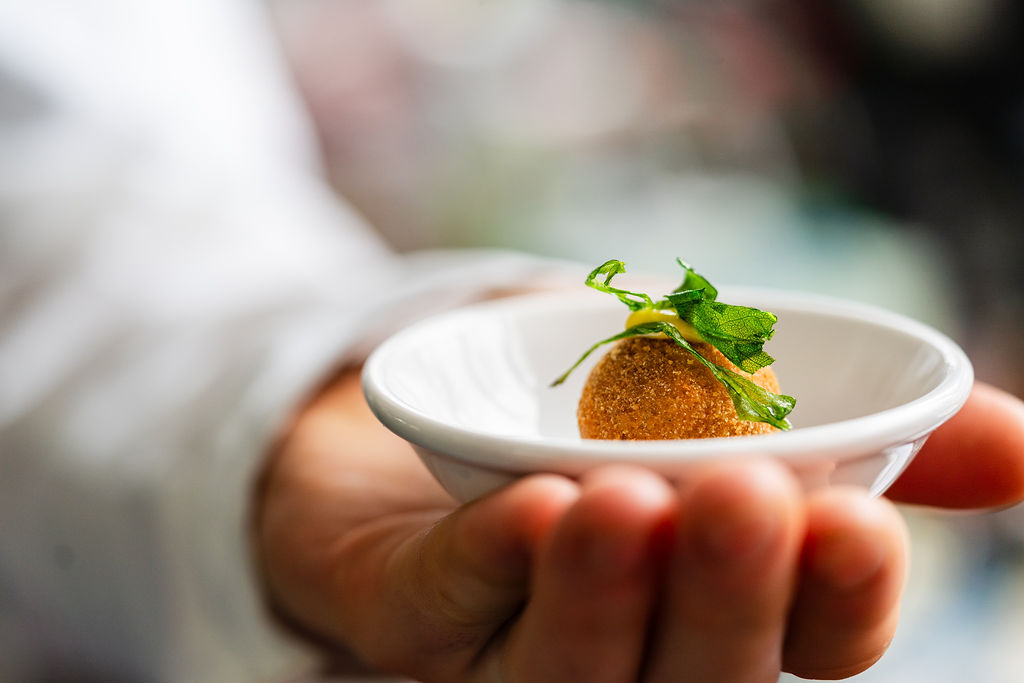
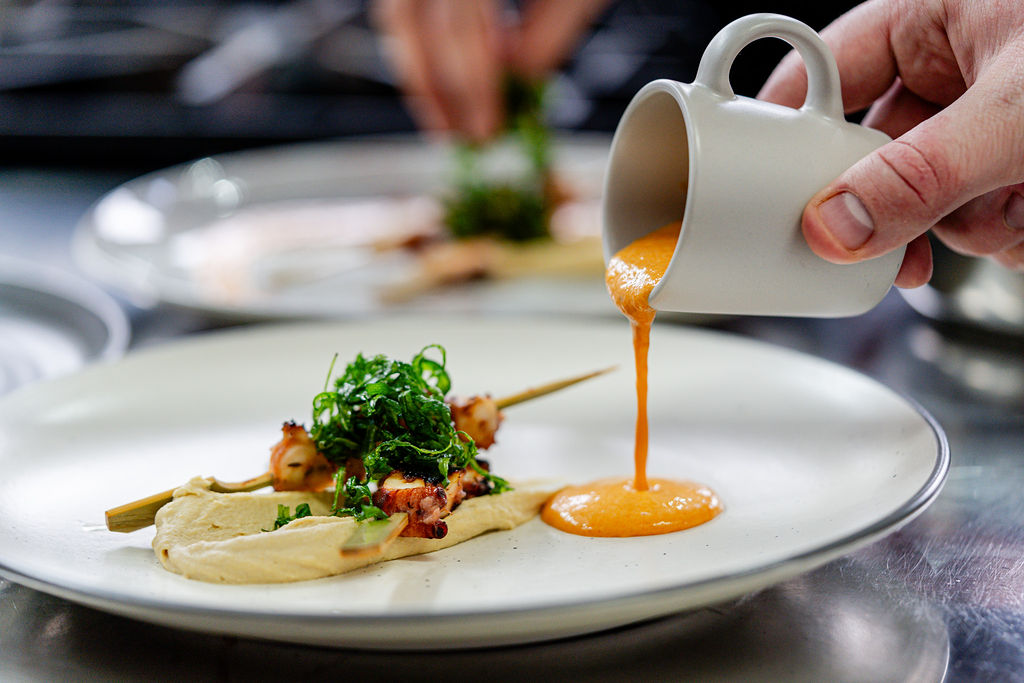
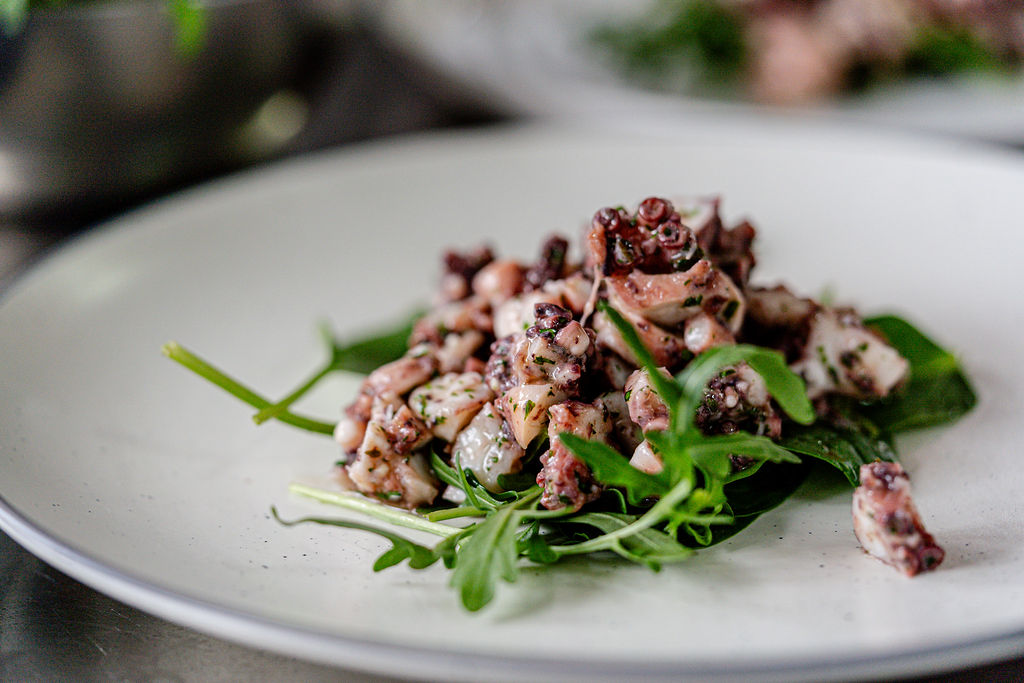
Today, we are known for our high-quality local ingredients, creative dishes, desserts, and a tasting menu that introduces guests to the flavors of the island of Pag. We also place a strong emphasis on our wine selection and the quality of our service, as our goal is to provide guests with a complete and memorable dining experience.
How did you define the restaurant’s concept and the target audience you’re addressing?
First, we asked ourselves what kind of restaurant we even wanted to run. We concluded that we wanted to stay true to quality ingredients and local flavors, but elevate everything to the next level and become a serious à la carte restaurant.
Our goal is for guests to enjoy top-quality seafood, and through our tasting menu, get to know our interpretation of Pag’s cuisine. This concept naturally attracts guests who appreciate quality, want to relax, and enjoy the food, wine, and atmosphere.
Social media helps us with this, as do various gastronomic events through which we present our work philosophy.
How do you balance creativity in the kitchen with the expectations of guests and the market?
It’s important to follow trends and listen to our guests, but not lose our own identity in the process. Every year, we analyze our sales and track what interests people the most, which helps us create new menus.
However, I strive to stay true to my own taste and cooking style. I have the most room for creativity through special projects like wine dinners, gastronomic weeks, and events such as MarsOvca and GremoIst. It’s at events like these that we can experiment and see how the audience reacts to new ideas.
What does a typical workday look like for you as a restaurant owner?
No two days are exactly the same, but mornings usually start with checking deliveries, organizing the kitchen, and preparing for service. Besides cooking, a large part of my time is spent on administration, procurement, staff organization, and communicating with guests.
During the season, in the evenings I mostly coordinate the kitchen, finish dishes, and make sure everything is running smoothly. After service, there’s cleaning, planning for the next day, and often a few more hours of work at the computer.
Running a restaurant today involves much more than just cooking, as you can see.
What are the biggest operational challenges in the hospitality industry today?
The workforce is definitely one of the biggest challenges. It’s not enough to find a good chef—it’s important to find someone who fits in with the team and shares similar values.
Rising labor, energy, and food costs are also a major challenge. At the same time, guest expectations are constantly growing, so it’s necessary to find a balance between quality, business sustainability, and affordability.
Sourcing high-quality local products is also particularly important to me, as I believe they are what make the difference between an average and a top-tier restaurant.
How do you build and retain a quality team in the kitchen and restaurant?
The foundation of everything is mutual respect. When we recognize potential and a desire to learn. We strive to provide employees with support and opportunities for development. People tend to stay where they feel they can grow and where their work is appreciated.
How important are online reviews and social media for a restaurant’s success today?
Social media and online reviews are often a guest’s first contact with a restaurant these days. That’s why it’s important to honestly and authentically represent what you do.
We use Instagram as a channel to showcase our daily work and the story of the restaurant. I’m not a big fan of overly polished content—I prefer to show the real atmosphere and the people behind it all.
What legacy do you want to leave on the Croatian gastronomic scene?
I would like to contribute to a greater appreciation of our local ingredients, producers, and gastronomic heritage. As an ethnologist and anthropologist, I believe that food can be an excellent tool for telling the stories of a region’s culture, customs, and identity.
Projects like MarsOvca, which celebrates Pag lamb and the gastronomy of Pag Island, and GremoIst, an event that brings together restaurateurs from Novalja with a similar philosophy, are particularly important to me. These projects show how important collaboration is for the development of local gastronomy.
I believe the future lies in authentic stories, local ingredients, and connecting people in the industry.
What advice would you give to young chefs and pastry chefs?
First of all, it’s important to have patience and develop a good work ethic. There will be a lot of mistakes at first, but that’s where the greatest knowledge comes from. No one becomes a chef overnight.
I would advise young people not to skip steps and not to be afraid of any job in the kitchen. You need to understand the entire system of operations so that one day you can successfully lead a team or a restaurant.
For those who dream of their own restaurant, I would recommend that they first clearly define their vision and thoroughly develop a business plan. It’s important to know that running a restaurant involves administration, organizing people, procurement, and solving everyday problems, not just cooking. If you stay true to your values and respect the people and ingredients you work with, I believe guests will recognize that.